
 Adelaide Cold Laser
Plantar fasciitis: could cold laser be worth discussing?
A conservative photobiomodulation option that may be considered for plantar fasciitis and plantar heel pain.
Plantar fasciitis is one possible explanation for pain under the heel. Research has examined photobiomodulation, also called low-level laser therapy, as one conservative option. It may help some pain and function outcomes, but suitability and individual responses vary.
Plantar heel pain information
Go deeperCondition in plain English
What is plantar fasciitis?
Plantar fasciitis involves irritation of the plantar fascia, a band of tissue supporting the underside of the foot. People may notice heel discomfort with walking, standing or activity, but these experiences do not confirm a diagnosis.
Other problems may present as heel pain. Assessment helps clarify whether podiatry or GP review, exercise, load management, footwear advice, orthotic support or another pathway should be considered.
Adelaide Cold Laser does not diagnose plantar fasciitis from symptoms alone, prescribe footwear, or fit or adjust orthotics.
All care is provided subject to clinical assessment and individual suitability. Individual responses to treatment vary.
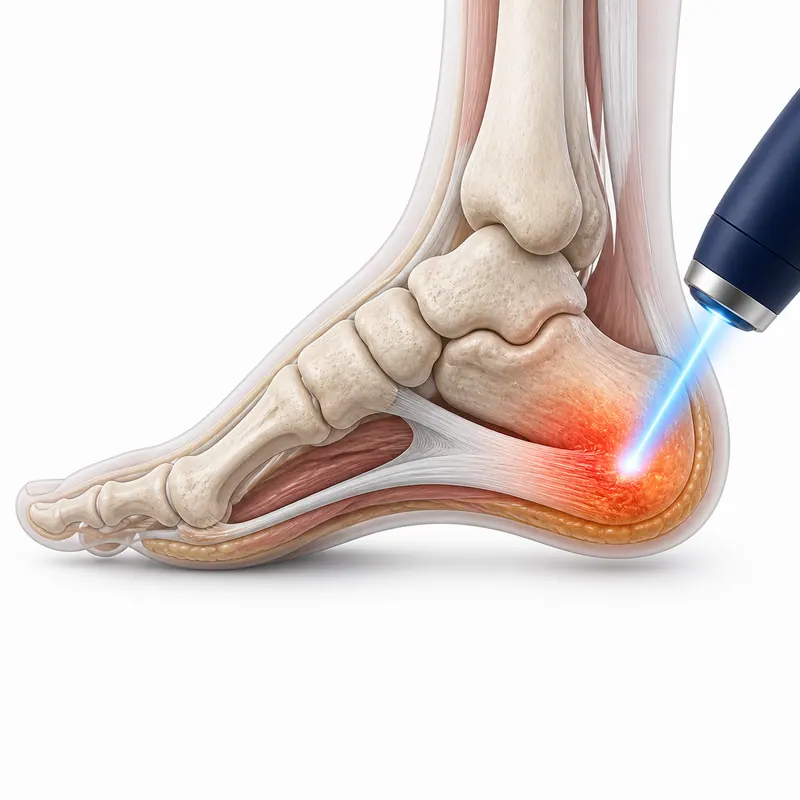
Illustration only. Application context for the heel and plantar fascia region. Not a promise of result.
Care boundary
When should medical or podiatry assessment come first?
Seek podiatry or medical assessment before routine cold laser care if symptoms are severe, changing, linked to significant injury, or accompanied by inability to bear weight, marked swelling, redness, warmth, fever, persistent numbness or another concerning change.
If the diagnosis is uncertain, a podiatrist or GP may assess whether investigation, footwear or orthotic advice, medication discussion, or referral is appropriate. Cold laser does not replace those pathways.
This information is general and does not replace medical advice. All care is provided subject to clinical assessment and individual suitability. Individual responses to treatment vary.
Where PBM sits
How may cold laser fit into care for plantar fasciitis?
Research suggests low-level laser therapy may help some plantar fasciitis pain and function outcomes. The evidence includes systematic reviews and a randomised trial, but it does not show that everyone will respond or that cold laser should replace established care.
Plantar fasciitis is generally managed with conservative approaches first: stretching and home-exercise programmes, footwear advice, orthotic support, and load management. Adelaide Cold Laser positions PBM as one option that may be considered alongside those approaches and alongside podiatry or GP assessment, not as a replacement for them.
We do not publish visit counts, frequency plans, or predicted timelines. Those questions are handled case by case after assessment.
All care is provided subject to clinical assessment and individual suitability. Individual responses to treatment vary.
Your first visit
What happens at an initial consultation?
History and assessment. Dr Sam Johnson (Chiropractor) listens to your concern, reviews relevant history and prior care, and assesses the presentation without assuming every heel-pain pattern is plantar fasciitis.
Suitability discussion. You discuss suitability, evidence limits, and whether another pathway should come first or continue alongside cold laser. If care is appropriate, the next step is agreed with you. Where possible, treatment is provided on your first visit.*
Pricing and autonomy. Initial consultation $99. Standard visits $99. Cold laser is private pay and is not covered by private health fund rebates. No lock-in plans. The decision is always yours.
The device. Treatment is delivered with the Multi Radiance MR5 ACTIV PRO, included in the Australian Register of Therapeutic Goods (ARTG 370913). The register entry is a supply listing for the device category. It is not an efficacy endorsement. ALWAYS FOLLOW THE DIRECTIONS FOR USE.
*Where possible, treatment is provided on your first visit. This is subject to clinical assessment and individual suitability, and cold laser may not be suitable for everyone. Individual responses vary.
The evidence, in full
What does the research say?
Systematic reviews and a randomised trial suggest low-level laser therapy may help some plantar fasciitis pain or function outcomes. The studies used different protocols and some combined laser with usual care. Their findings do not predict an individual response or establish that every device and protocol is equivalent.
Lower-extremity tendinopathy, including plantar fasciitis in scope. RCT-level evidence for some pain and disability outcomes. Uncertainty around effect size; protocols differ.
Supports a hedged claim that PBM may be considered for selected presentations. Not a personal outcome promise. PMID 36171024
Plantar-fasciitis-specific review. Favourable heel-pain findings for LLLT against the controls examined. Does not define care pathway or device preference.
Supports “may help some pain presentations,” not guaranteed relief. PMID 30653125
Laser plus home exercise and orthotic support versus usual care alone. Favourable findings on some pain and function measures. Does not isolate laser as a stand-alone answer.
Keeps PBM positioned as an addition to usual care, not a replacement. PMID 29273892
Research summaries describe group findings, not a promise of individual results. All care is provided subject to clinical assessment and individual suitability. Individual responses to treatment vary.
Broader care frame
How may cold laser fit with other care?
Options may be complementary. The appropriate route depends on diagnosis, health history, goals and response.
Assessment, diagnosis and referral where indicated. Ask what needs clarification before choosing care.
Support mobility, strength and activity tolerance. Ask which activities fit this presentation.
Address relevant load and support factors. Ask whether a podiatry assessment is appropriate.
One device-based option studied for selected presentations. Ask how well the evidence fits the diagnosis and wider plan.
Cold laser is one option, not a replacement for medical or podiatry care. Photobiomodulation does not replace GP care, podiatry assessment, orthotic fitting, or specialist referral when those are clinically appropriate.
All care is provided subject to clinical assessment and individual suitability. Individual responses to treatment vary.
Common questions
Plantar fasciitis and cold laser, answered.
Can cold laser therapy help with plantar fasciitis or heel pain?
Research suggests photobiomodulation may help some plantar fasciitis pain presentations. It does not diagnose plantar fasciitis from symptoms alone, correct foot mechanics, or replace podiatry or orthotic care, and individual responses vary.
Is cold laser the main treatment for plantar fasciitis?
No. Plantar fasciitis is generally managed with conservative approaches first, including a home-exercise programme, footwear advice, orthotic support, and load management. Adelaide Cold Laser positions PBM as one conservative option that may be considered alongside those approaches, not as a replacement for recognised primary approaches.
Will it replace my podiatrist or GP?
No. Plantar fasciitis and heel pain are often first assessed by a podiatrist or GP. Adelaide Cold Laser does not diagnose plantar fasciitis, fit orthotics, or prescribe footwear. PBM may be considered as a complement to podiatry or medical care, not a replacement for it.
How many visits will I need?
That is not estimated in public information. Your presentation, goals, and response need to be assessed before any care plan is discussed. Adelaide Cold Laser does not use lock-in plans.
Is cold laser therapy covered by private health fund rebates?
No. Cold laser therapy at Adelaide Cold Laser is not covered by private health fund rebates. The initial consultation is $99, and standard visits are $99.
What device do you use?
Adelaide Cold Laser uses the Multi Radiance MR5 ACTIV PRO, included in the Australian Register of Therapeutic Goods (ARTG 370913). That register wording is not a claim that the device will produce a particular result for any individual person. ALWAYS FOLLOW THE DIRECTIONS FOR USE.
Ready when you are
Would you like to talk it through?
Book an initial consultation to discuss your presentation, the evidence, other care you may need, and whether cold laser is worth considering.
Initial consultation $99 · standard $99 · no lock-in
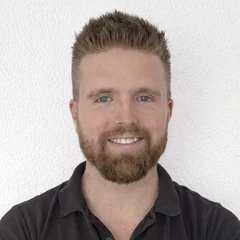
Dr Sam Johnson (Chiropractor)
BSc, MChiro (Macquarie University)
Cold Laser: Initial Consultation
$99 · 30 min · Plympton Park
A first cold laser consultation with Dr Sam Johnson (Chiropractor) at 528 Marion Road, Plympton Park.
Your first visit
Book your consultation
- No lock-in plans
- Treatment on your first visit where possible*
- The decision is always yours
Book a Consultation
Prefer to talk first? Call (08) 8297 5277, or send us a message.
Booking a consultation does not mean treatment is suitable or required. All care is provided subject to clinical assessment and individual suitability. Individual responses to treatment vary.
Get in touch
Still weighing it up?
Ask us anything you like about heel pain, plantar fasciitis, or whether cold laser may be worth discussing. We will do our best to let you know whether it may be a reasonable option for you.
All care is provided subject to clinical assessment and individual suitability. This is general information, not medical advice. Individual responses vary.
Send us a message
Tell us a little about what is bothering you and we will be in touch.
The details you share are used only to respond to your message. We do not sell them, and this form does not book an appointment on its own. See our Privacy Policy for more. This form is protected by reCAPTCHA. The Google Privacy Policy and Terms of Service apply.